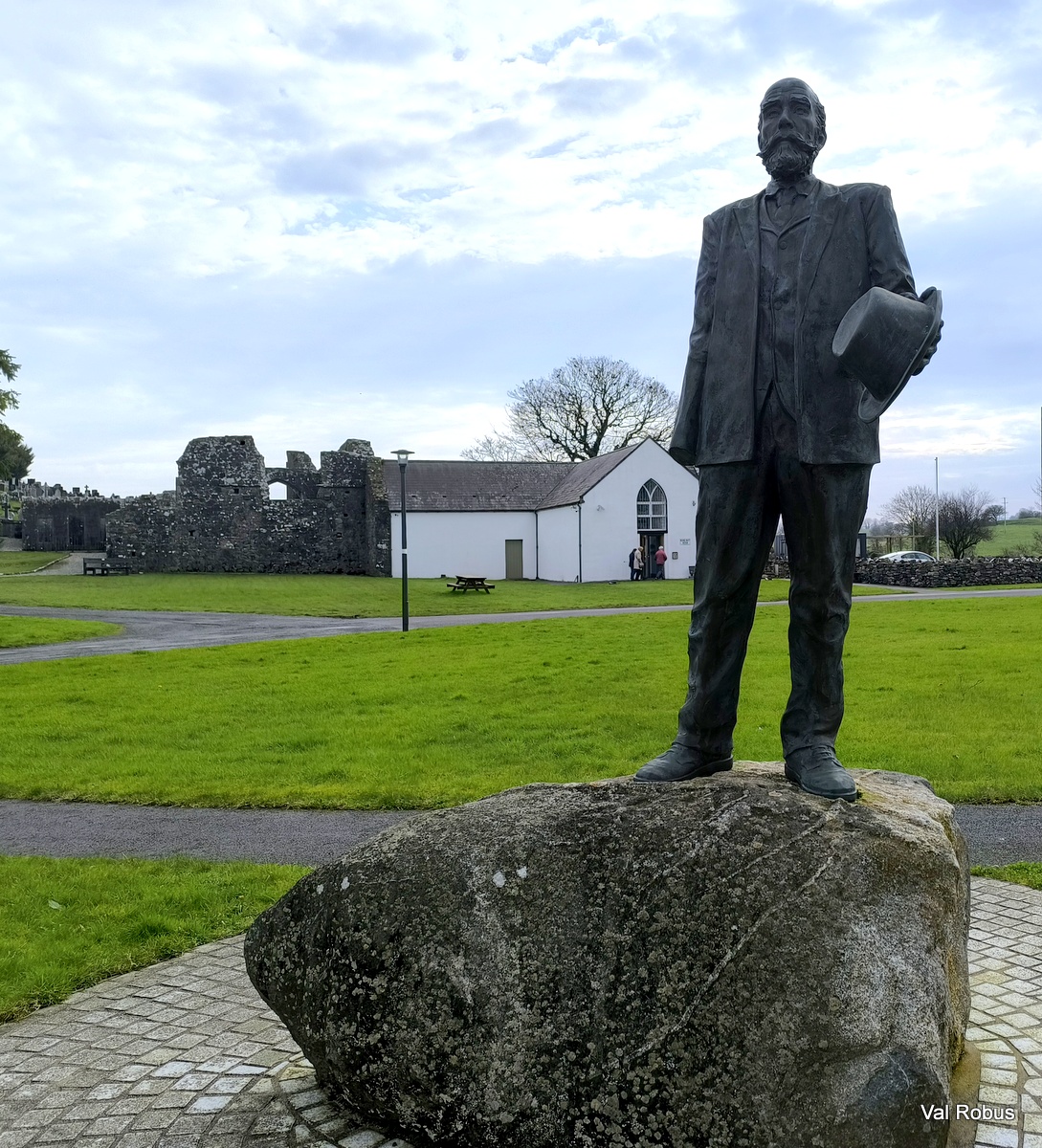
It’s been a long time since I’ve taken myself off exploring for a morning. I saw a post by Mayo North Tourism about a special offer at the Michael Davitt Museum for International Women’s Day. I’ve never been there, so it sounded like a plan.
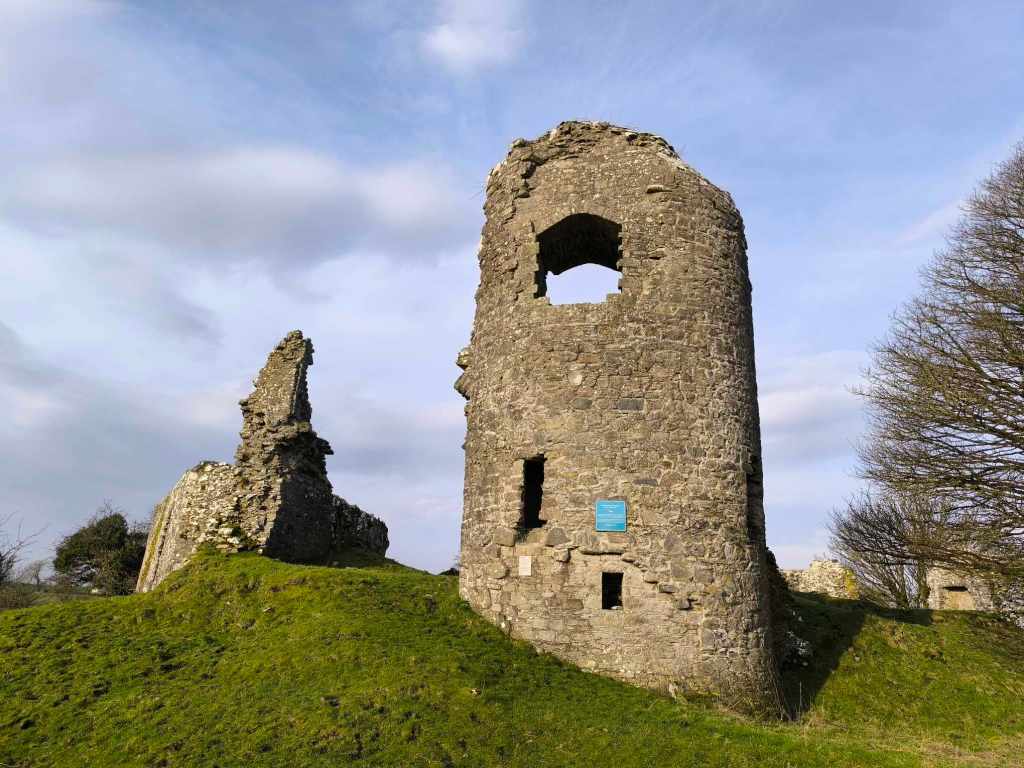
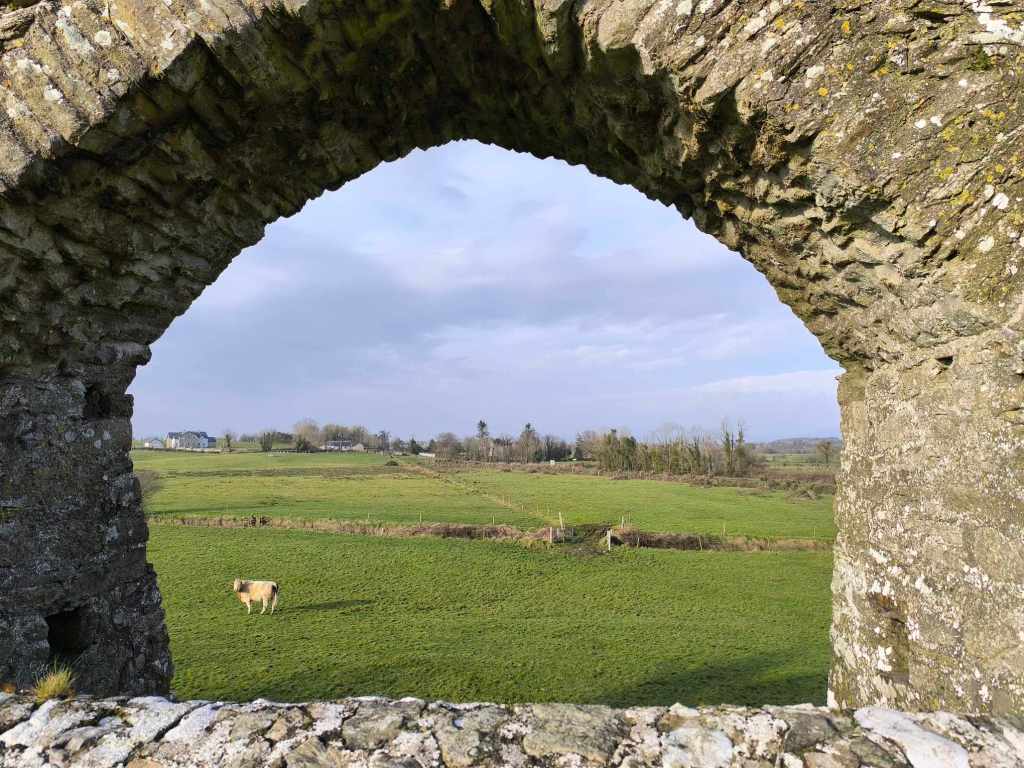
I left home bright and early, and off I went. My first stop was Ballylahan Castle, you can read more about it here. It’s in a field full of cows, and I had to hop over a gate to look at it, I wasn’t sure if I should actually be in the field! But I understand it’s a national monument; I was looking over my shoulder though!
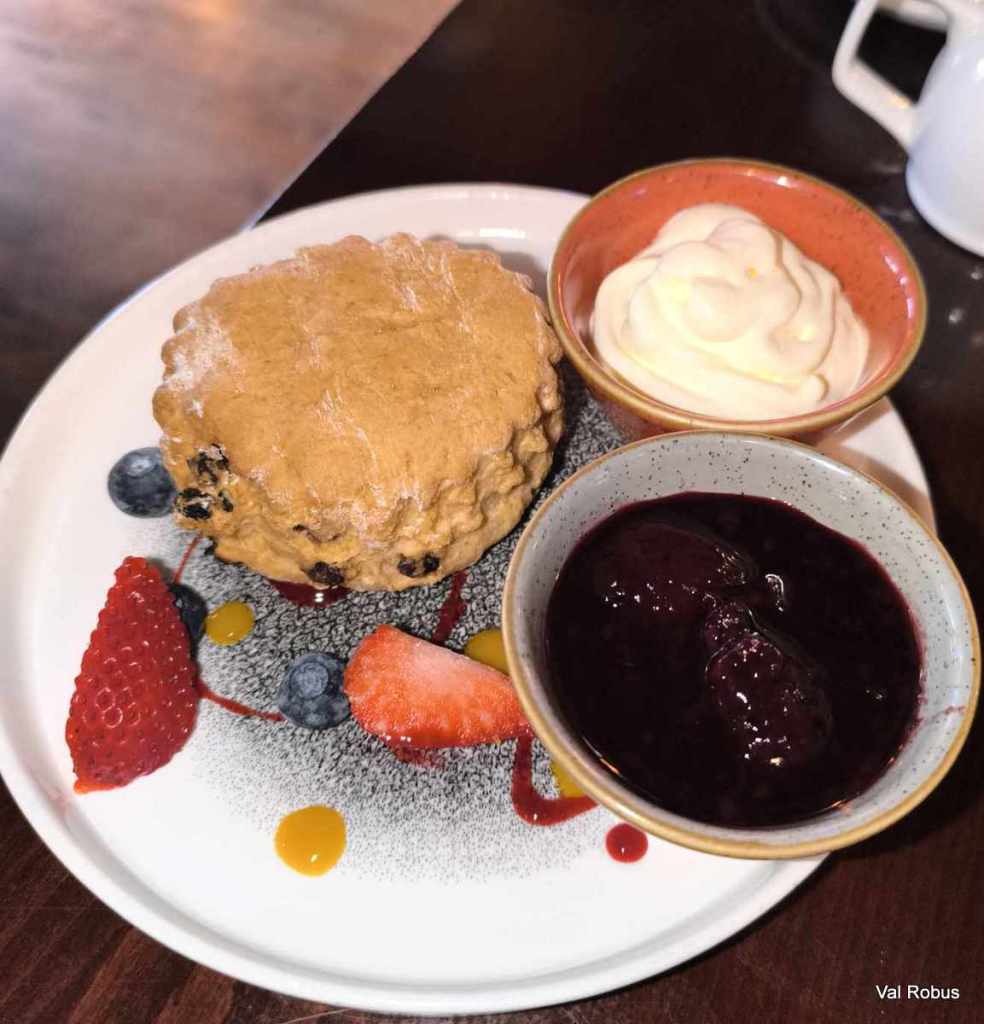
The next stop was Foxford for breakfast, I went to The Haymarket Bar at The Moy Hotel, what a gem of a place. It’s reasonably priced and the staff were friendly and welcoming. I had a pot of tea and a scone with berry compote and cream, it was €6, which I think is excellent value for money.
Next was The Michael Davitt Museum. If I’m honest (and sorry to all the historians out there) Michael Davitt had never appeared on my radar, I knew the museum was near Foxford, but I didn’t know anything about the man. I suppose that’s the joys of not going to school in Ireland.
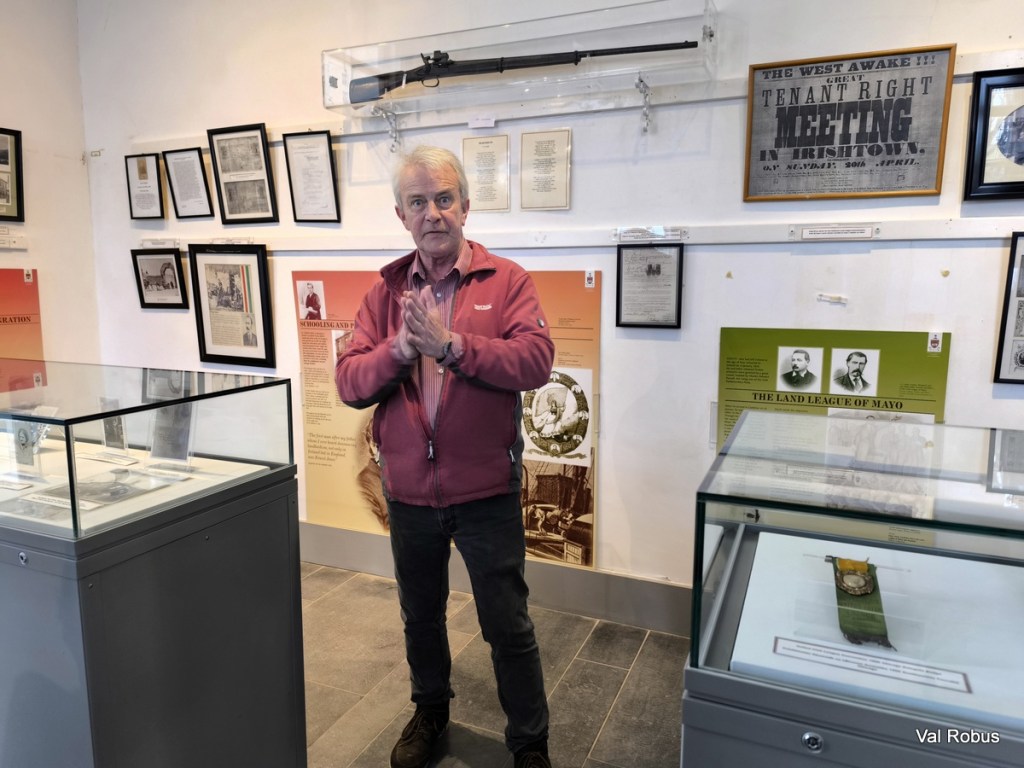
Well, I had the best time! The tour of the museum was absolutely fascinating, Mark, the tour guide, was friendly and knowledgeable, and happy to answer questions. The tour started with a short video, so we got to learn all about Michael Davitt. Michael was born in Straide, Co. Mayo, during the famine. He was only a child when his family were evicted from their home, and they moved to England. At the museum you will hear all about Michael’s life, including an accident in the workplace, in which he lost his arm.
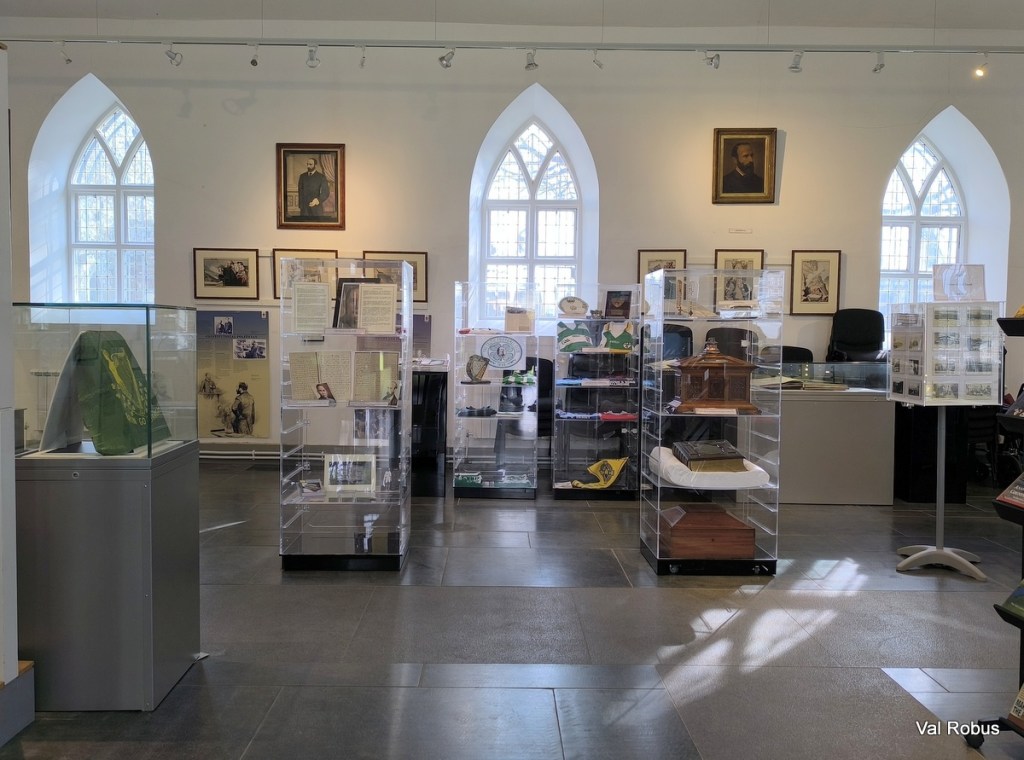
I’m not going to tell you all about him, because you really need to do the tour for yourself, but to cut a long story short, Michael became involved in Land Reform Movement and formed the Irish Land League. Among the land league’s aims were what was known as the ‘three Fs’. One of the ladies on the tour today remembered if from her school days. They stood for fair rent, fixity of tenure and free sale.
As today was International Women’s Day, the tour focused on the Ladies’ Land League. We heard about Fanny and Anna Parnell, who were sisters of Charles Stewart Parnell (the founder and leader of the Irish Parliamentary Party.) Fanny and Anna founded the American Ladies’ Land League to raise funds for famine victims in Ireland.
Michael Davitt proposed a Ladies’ Land League for Ireland, and Anna returned from America to Ireland, to help lead the land league. When the men who ran the Land League were imprisoned, the Ladies’ Land League took over. They held meetings and rallies, they encouraged tenants to withhold rent, and to resist eviction, and they provided wooden huts to shelter the families who were evicted.
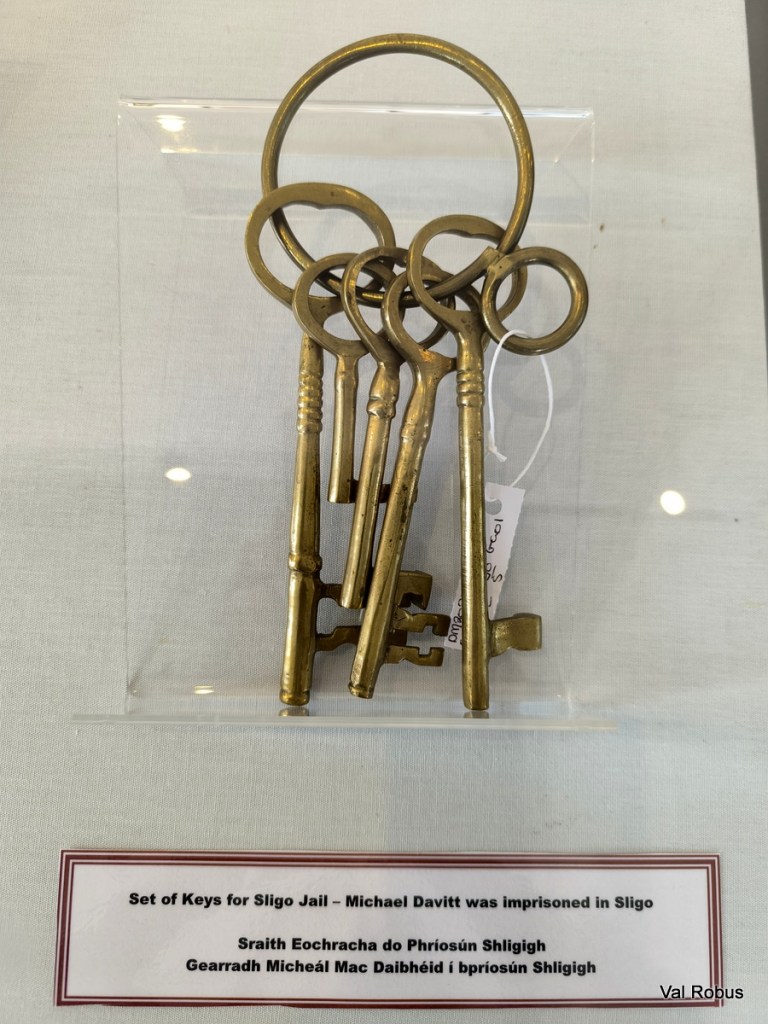
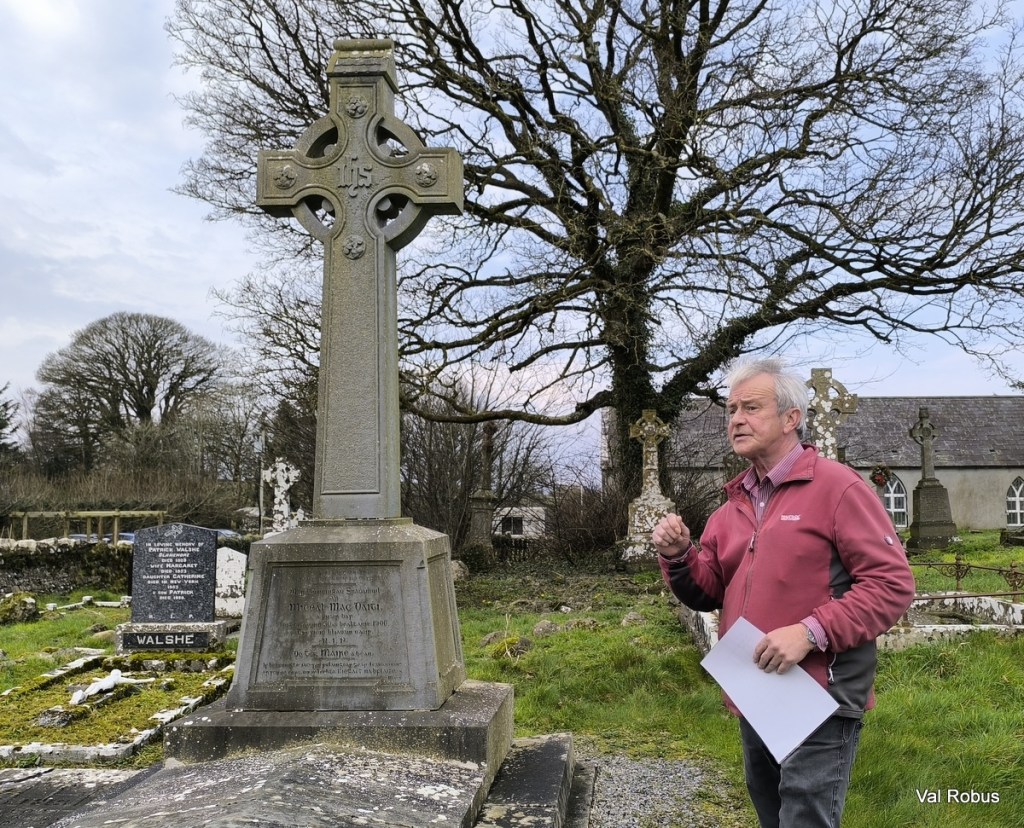
The Michael Davitt Museum is in the former church where Michael was baptised and where his parents were married. You can see so many artifacts from his life, including keys from Sligo Gaol, where Michael was imprisoned. After the tour of the museum, we visited Michael’s grave (which is just behind the building). Michael died of sepsis following a tooth extraction by Thornley Stoker (brother of Bram Stoker – author of Dracula). There’s a Sligo connection with the Stokers’, as their mother, Charlotte Thornley was born in Sligo.
After visiting Michael’s grave Mark showed us around Straide Friary, which dates back to the 13th Century. What remains of the building is stunning, especially the stone carvings.
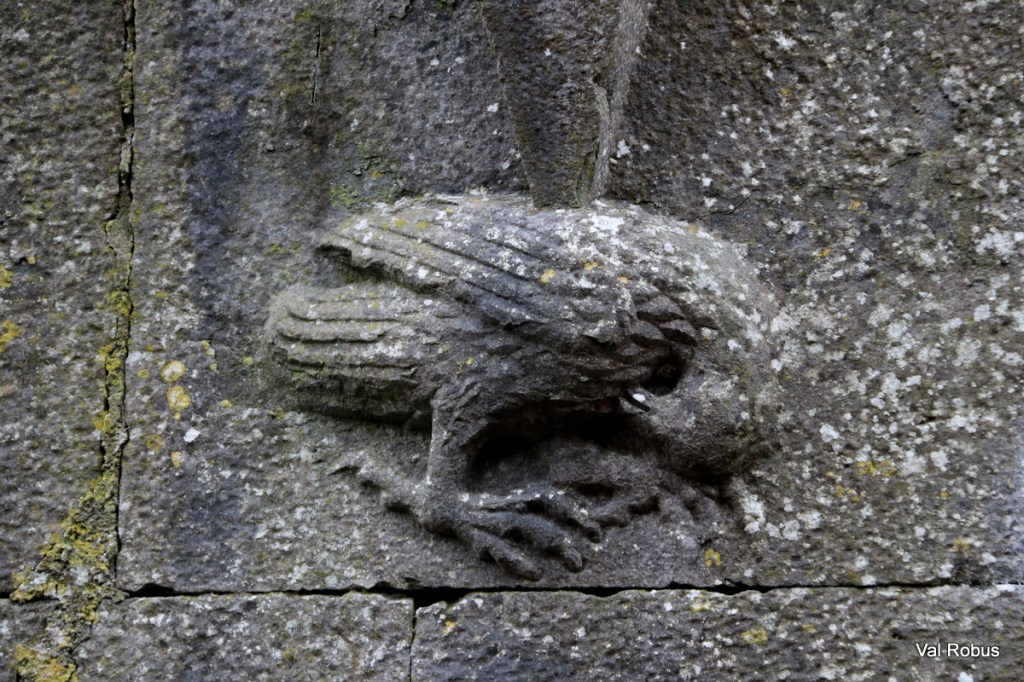
Mark pointed out the pelican carving, the pelican is used as a symbol for blood transfusions (something I found out today), because the pelican was thought to be the first donor. Legend has it that when food was scarce the mother pelican fed its young with blood drawn from its own breast.
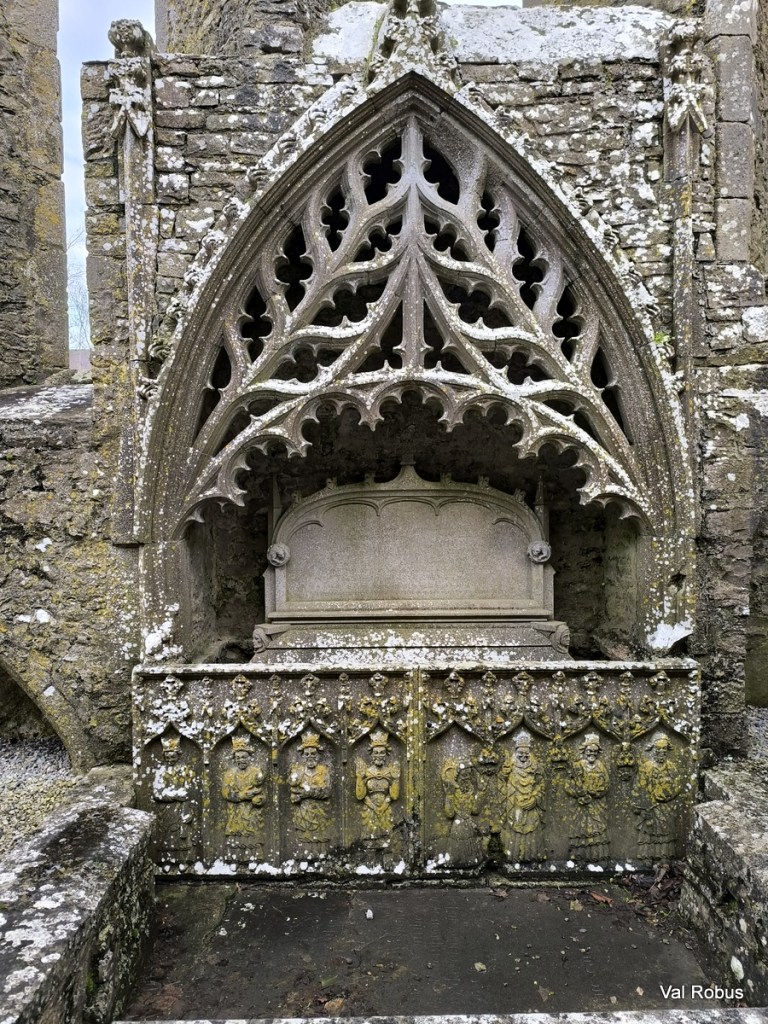
Mark also told us about Anne Deane, born Anne Duff, from Ballaghadereen, Co. Roscommon. Anne was the President of the Ladies’ Land League. Anne was a business woman and had a shop in Ballaghadereen, she was also very generous and donated money to the various organisations. Anne Deane died in 1905 and is buried in Straide Friary, her headstone was erected by her cousin John Dillon and sculpted by Padraig Pearse’s father.
Mark read the inscription, as it’s very hard to see it:
“In this grave is buried Anne Deane, wife of Edward Deane. Born Anne Duff in Ballaghderreen.
She was a great friend of the poor and oppressed, a lover of Ireland and of liberty.
This monument is erected to her memory by her cousin John Dillon, Member of Parliament for East Mayo, who owes his life and all he possesses to her loving kindness and generosity”.
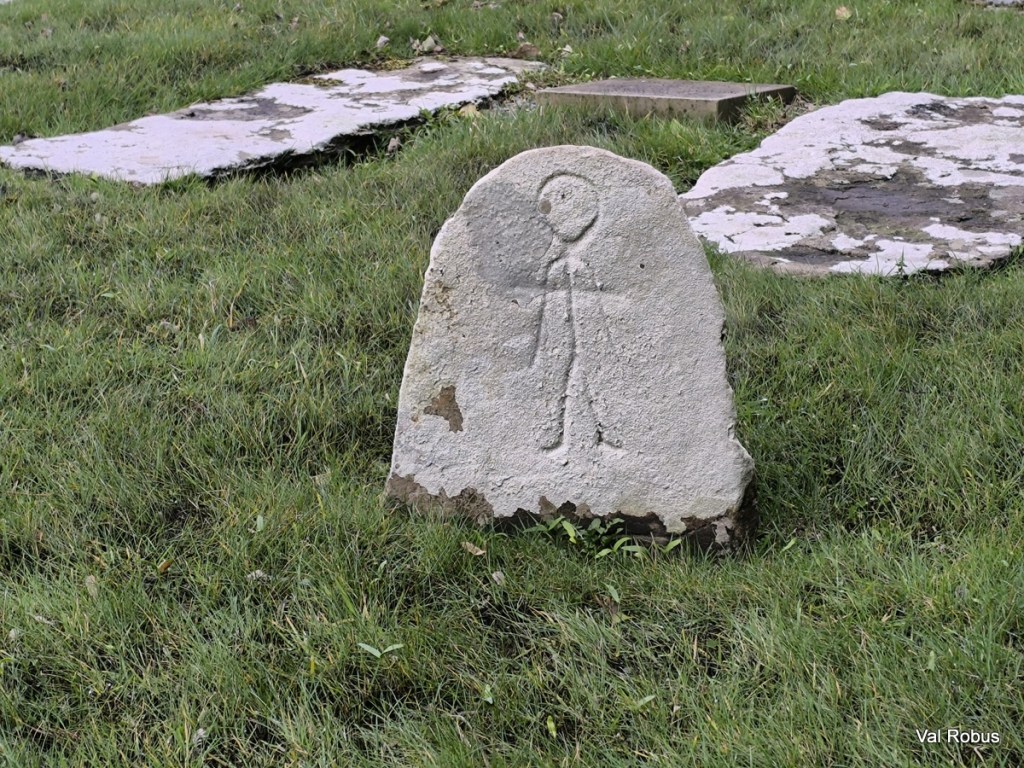
The most fascinating thing for me was the Matchstick Man gravestone. I’ve never seen anything like it, and I was intrigued to find out more. The grave belongs to Tadhg O’hUiginn (1550-1591), a bard who was born in Leyney, Sligo. Fun fact, we used to live in Leyney in Coolaney, if it’s the same place! Anyway, Mark told us that Tadhg wrote a satirical poem about the O’Hara Rua clan, and they went after him. He tried to seek refuge in Banada Abbey, but they caught up with him and he died an awful death. Mark told us the details, but you’ll have to go on the tour to find out more.
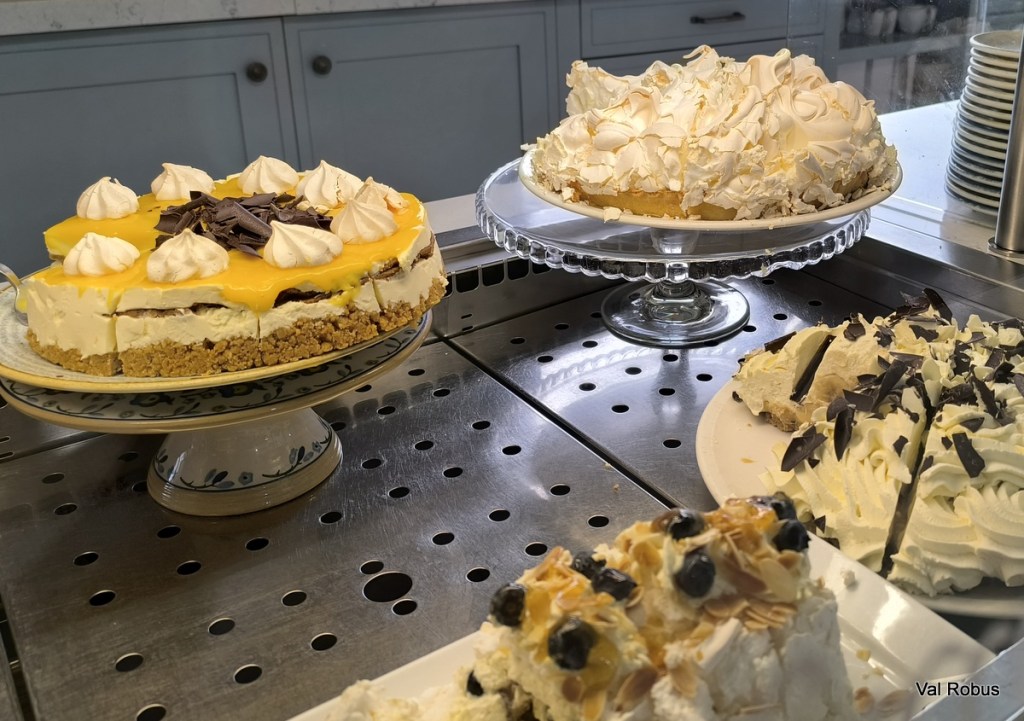
I said farewell to Mark and the Michael Davitt Museum, and took myself off to Foxford Woollen Mills, it would have been a sin to come home without a cake from there.
I had the best morning and found out so many new things about Irish history, it’s amazing what’s right on my doorstep, and I felt like I’d been away on holiday! You can find out more about the Michael Davitt Museum here, I’d highly recommend a visit.
 magnumlady.com